Michigan’s Upper Peninsula, filled with rugged beauty and sweeping views, is the perfect place to build a deck. Homeowners from Escanaba to Marquette and Houghton to Manistique build decks to add to the joy and value of their homes. But Northern Michigan weather puts outdoor building materials through some of the toughest conditions in the Midwest. Heavy snowfall, freeze-thaw cycles, spring rains, summer sun, and lengthy winters can all take their toll on even the best-built decks. So it’s important to know what you’re doing before you commit to a new deck.
If you’re building or replacing a deck in the Upper Peninsula, should you choose vinyl decking or traditional wood? In this blog, we’ll explore the pros and cons of each decking material, answer some common Michigan deck building questions, and give you our expert recommendations for constructing an attractive, durable deck.
Why Michigan’s Upper Peninsula Is Tough on Decking Materials
Vinyl Vs. Wood: A Head-To-Head Comparison
Which Material Handles Upper Peninsula Weather Better?
Maintenance Requirements: What Homeowners Should Expect
Choosing the Right Decking Materials With Astro UP in Rock, MI
Why Michigan’s Upper Peninsula Is Tough on Decking Materials
Snow Loads and Long Winters
We don’t need to tell you that UP winters are long. Those seemingly endless months of snow accumulation, ice buildup, and constant moisture exposure can have a huge impact on your deck. Snow accumulation and ice buildup add weight to your deck which can, over time, put it under serious strain. Moisture can seep into the porous beams of wood decks and cause rotting. Moisture can also cause mold and mildew buildup on vinyl decking.
Freeze-Thaw Cycles
We’ve all experienced the “false starts” in fall and spring–just when it feels like things are going to cool down, they heat up again, or vice versa. These fluctuating temperatures cause ice and snow to freeze, melt, and re-freeze. The freeze-thaw cycle causes materials to expand and contract rapidly, which can lead to cracking and warping. The freeze-thaw cycle is the same thing that causes potholes to form in asphalt, so you can imagine what it does to a deck.
Summer UV Exposure
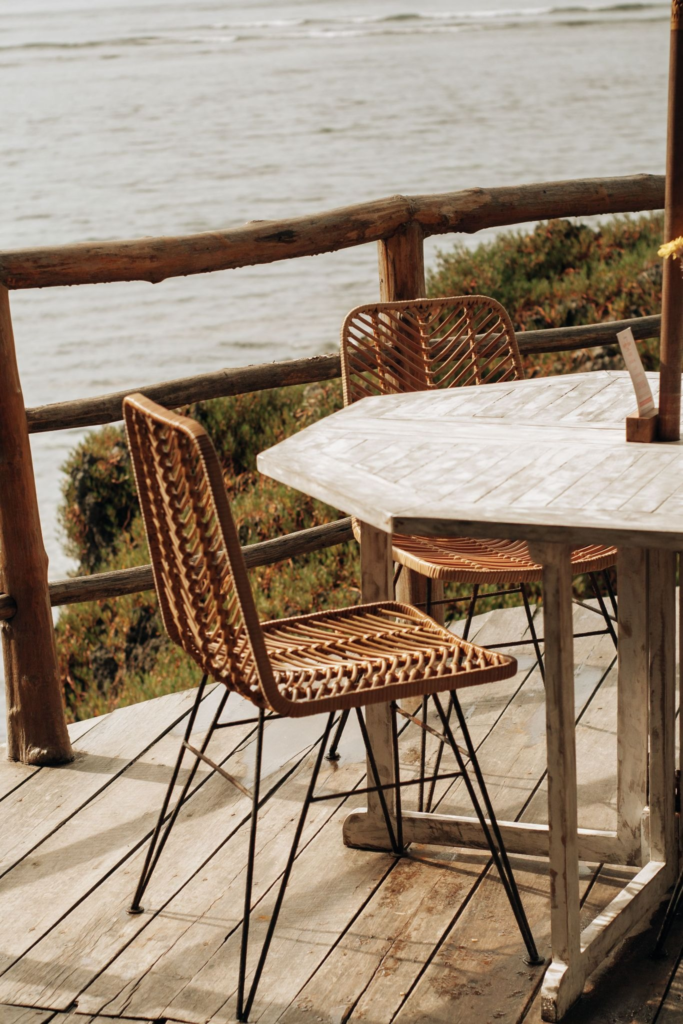
Even the long-awaited summer sun can pose a risk to your deck. Over time, direct sun exposure can deteriorate the appearance of your deck. When we spend too much time in the sun with no protection, we get burns, spots, and (eventually) wrinkles. Similarly, our decks can fade, dry, and deteriorate without proper UV protection.
What damages decks the most in Michigan?
Michigan weather–including moisture infiltration, repeated freeze-that cycles, snow accumulation, and UV exposure–is the primary cause of deck damage in Michigan.
What Is Vinyl Decking?
What Is Vinyl Decking Made Of?
Vinyl decking is typically made from polyvinyl chloride, also known as PVC. PVC is a highly durable man-made material designed to withstand moisture, temperature fluctuations, and UV exposure. Vinyl is engineered to create a waterproof surface that helps protect both the deck and the structures underneath.
Oftentimes, vinyl decking boards are installed like a waterproof membrane system on top of a plywood base. The vinyl decking is carefully sealed to the base structure to create a barrier against rain, melting snow, and ice.
Most modern vinyl decking also includes some kind of UV-resistant treatment, which helps prevent sun damage.
Benefits of Vinyl Decking
- Vinyl decking has many benefits, including:
- Waterproof surface: Vinyl decking is designed to resist infiltration by snow, ice, rain, and other moisture.
- Slip-resistant options: Some vinyl decking is textured to reduce slipping risks and promote safety, making it an especially good option for seniors, people with disabilities, and families with kids.
- Minimal maintenance: Vinyl decking needs very little upkeep; you can clean it with a little soap and water. It doesn’t need to be stained like wood decking.
- Resistant to rot and insects: Unlike wood decking, vinyl decking won’t rot, and it won’t get infested by insects.
- Long lifespan: Vinyl decking can last 15-25+ years with proper care.
Drawbacks to Vinyl Decking
Despite its many pros, vinyl decking has a few potential cons:
- Higher upfront cost: Vinyl planks cost more than wood deck boards.
- Professional installation: Because vinyl decking needs careful sealing, it’s a good idea to hire professional installers rather than trying to DIY it.
- Appearance: Some people really love the classic look of a wood deck; while vinyl boards can look similar to wood, they aren’t quite the same.
What Is Wood Decking?
What Is Wood Decking Made Of?
As you might expect, wood decking is made of wood–but it’s a bit more complicated than
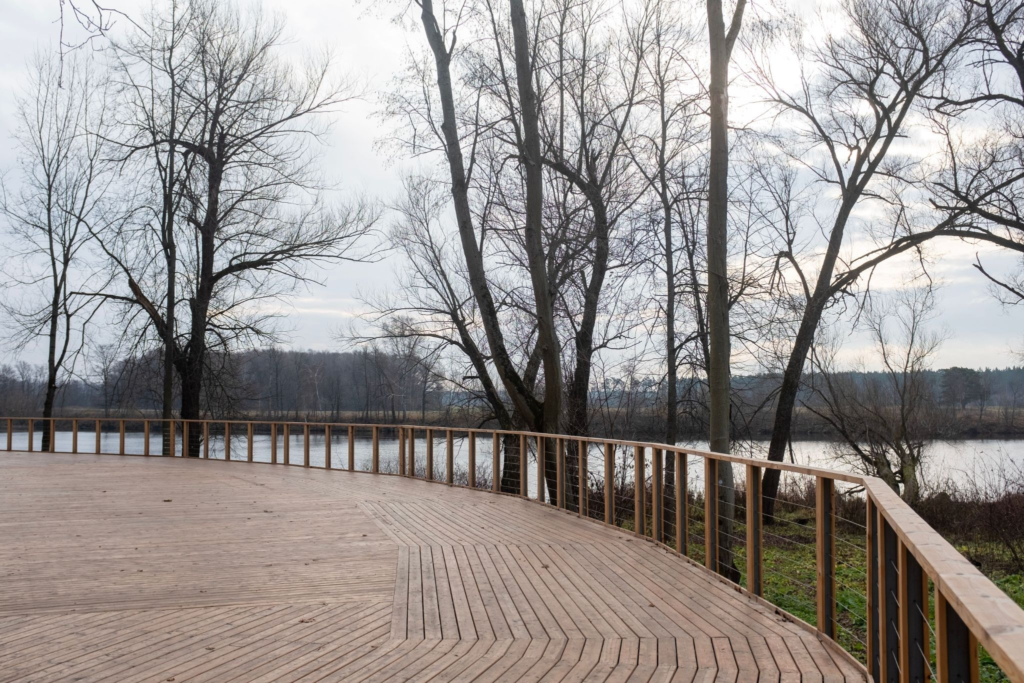
that. Wood decking is a traditional outdoor decking material made from natural lumber boards rather than synthetic vinyl planks. Wooden boards are installed over a frame to create a well-structured deck. Wood is a popular decking material because of its natural appearance, versatility, relative affordability, and ease of installation.
The performance of a wood deck depends heavily on the type of lumber used, the quality of installation, and whether the deck owner performs regular maintenance. Types of wood decking include:
- Pressure-treated lumber: Pressure-treated lumber is treated with preservatives to help prevent rot, moisture damage, decay, and pest infestation.
- Cedar decking: Cedar is a lightweight lumber that contains some natural oils which provide some resistance to moisture, insects, and decay.
- Hardwood decking: Hardwood species are highly durable, have some resistance to wear, and feature attractive grain patterns.
Benefits of Wood Decking
Though it’s not as modern as vinyl decking, wood decking still has some benefits:
- Traditional appearance: Wood is the classic material for decking, and many people love its old-fashioned, natural look.
- Lower initial costs: Wood boards are cheaper up-front than vinyl planks.
- Easier to DIY: It is easier to DIY a wood deck if you don’t want to hire professional installers.
Drawbacks of Wood Decking
Wood decking has its drawbacks, including:
- Requires more maintenance: Wood decks must be regularly sealed and stained to keep them durable, attractive, rot-resistant, and safe.
- Susceptible to moisture damage: Even if the wood is treated, moisture can still seep into wood fibers and rot the boards from the inside out.
- Attracts pests: Even if the wood is treated, wood attracts pests–particularly wasps, who burrow into the boards.
- Risk of splintering and warping: As Upper Peninsula weather takes its toll, wood boards can splinter and warp, losing their sturdy shape.
Vinyl vs. Wood: A Head-to-Head Comparison
| Factor | Vinyl Decking | Wood Decking |
| Moisture Resistance | Excellent | Moderate |
| Freeze-Thaw Performance | Excellent | Fair |
| Maintenance Needs | Low | High |
| Lifespan | 15-25+ years | 10-20 years |
| Initial Cost | Higher | Lower |
| Appearance | Modern | Natural |
| Rot Resistance | Excellent | Limited |
Overall, the main benefit of wood is its lower initial cost and ease of installation. But if you are looking for excellent durability and low maintenance, vinyl decking is worth the higher initial cost.
Which Material Handles Upper Peninsula Weather Better?
Winter Performance
Vinyl decking’s waterproof surface makes it a better option for Upper Peninsula winters. Water resistance means less water absorption from snow, ice, and other moisture. This results in reduced risk of cracking, expansion, mold, warping, or rot. It also makes snow removal easier.
Spring Melt and Rain
Again, vinyl decking’s waterproof seal makes it the ideal decking material for withstanding the big spring melt. Moisture absorption is a concern during the winter, but perhaps an even greater concern in the spring. Standing water, drainage difficulties, and mold or mildew are major potential issues for your deck during the spring. Thankfully, the water resistance of vinyl decking prevents these issues.
Long-Term Durability
For homeowners prioritizing durability and low maintenance, vinyl usually performs better under Upper Peninsula weather conditions. Manufactured for durability, UV resistance, weight-bearing, and water resistance, vinyl decking wins the long-term durability contest versus wood.
Is vinyl decking better than wood in Michigan?
In Michigan’s climate, vinyl decking offers better resistance to moisture, snow, ice, and freeze-thaw damage. Wood provides a more traditional appearance, but is less durable.
Maintenance Requirements: What Homeowners Should Expect
Vinyl Decking Maintenance
- Occasional washing: Mild soap (like dish soap) and a hose are all you need to clean off your vinyl deck.
- Debris removal: Occasionally, you will need to sweep your deck to clear it of natural debris like branches and leaves.
- Periodic inspections: Once a year, walk around your deck and visually inspect both the surface and the base structure to check for any issues.
Wood Decking Maintenance
- Annual cleaning:
- Regular staining:
- Sealing every few years:
- Board replacements as needed: When boards rot, splinter, or warp, they will need to be replaced.
Though wood has a lower initial cost, the cost of maintenance will add up over the years.
Wood decking also requires a lot more time and work than vinyl decking.
Cost Considerations
Upfront Costs
Wood boards cost less than vinyl decking–at least initially. Wood decks are also easier to build yourself, whereas professional installation is highly recommended for vinyl decking. You can expect to pay more upfront for a vinyl deck than a wood deck.

Long-Term Costs
However, over time, the maintenance costs for a wood deck add up. If you choose to build a wood deck, you will need to pay for the following:
- Wood stain
- Sealant
- Board replacement
- More extensive repairs (to address issues like spreading rot or infestation)
- Labor for repairs, if needed
Which deck material costs less over time?
While wood often costs less initially, vinyl decking costs less over its lifespan because of reduced maintenance and repair expenses.
Choosing the Right Decking Materials With Astro UP in Rock, MI
Michigan weather is demanding on outdoor structures. Wood is a popular option for its natural beauty and lower initial cost, but vinyl decking provides a longer lifespan, superior moisture resistance, and lower maintenance. That’s why the experts here at Astro UP in Rock, Michigan–with over 40 years in business–strongly recommend vinyl decking.
Whether you’re building a deck for a lakefront property in Munising or for a cabin in the Ontonagon woods, it’s crucial to work with a local supplier who understands Upper Peninsula weather and the area’s unique building needs. When it’s time for you to purchase decking material, come pay us a visit at Astro UP in Rock, MI. We are worth the drive!
FAQ
Will vinyl decking crack during cold Michigan winters?
High-quality vinyl decking is engineered to remain flexible in a wide range of temperatures, including the cold conditions common in Michigan’s Upper Peninsula. Unlike wood, which absorbs moisture and develops cracks over time, vinyl decking is designed to resist water penetration and withstand freeze-thaw cycles. Proper installation is important, as it allows the material to expand and contract with temperature changes, avoiding damage.
How long does vinyl decking last in the Upper Peninsula?
The lifespan of vinyl decking depends on product quality, installation, and maintenance, but many premium vinyl decking systems can last 20 years or more. Because vinyl resists moisture, rot, mold, and insect damage, it often outlasts traditional wood decking in the Upper Peninsula’s challenging climate. Routine cleaning and occasional inspections can help maximize its longevity.
Is pressure-treated wood good for Michigan decks?
Pressure-treated wood is a popular decking choice in Michigan because it is affordable, widely available, and treated to resist rot and insect damage. It can perform well in the Upper Peninsula when properly maintained. However, pressure-treated wood still absorbs moisture and is susceptible to cracking, warping, and weathering over time. Regular staining and sealing are typically needed to protect it from the effects of snow, rain, and freeze-thaw cycles. Vinyl decking is the most durable, cost-effective, and long-lasting decking option for Michigan homeowners.
What decking material requires the least maintenance?
Vinyl decking requires less maintenance than wood decking. Most vinyl decking systems only need occasional watching and routine inspections to keep them in good condition. Wood decking, by comparison, requires regular cleaning, staining, sealing, and periodic board replacement. For homeowners hoping to minimize upkeep, vinyl is the lower-maintenance option.
Is vinyl decking worth the cost?
For many homeowners, vinyl decking is worth the higher upfront cost because it offers thousands in long-term savings through reduced maintenance and repair costs. Vinyl is
resistance to moisture, rot, and weather-related damage, making it a cost-effective
choice over the total lifespan of the deck. Homeowners who prefer low-maintenance outdoor living spaces often find that the long-term benefits are well worth the initial expense.
What is the best decking material for snow and ice?
Vinyl decking is considered one of the strongest options for areas with heavy snow and ice. Its waterproof surface helps prevent moisture absorption, reducing the risk of cracking, rot, and freeze-thaw damage. Wood decking also performs well in snowy conditions, but it requires ongoing maintenance to protect it from moisture-related wear. In Northern Michigan, many homeowners choose vinyl for its superior durability and maintenance.