- Are Your Old Windows Quietly Driving Up Your Energy Bills?
- How Old Windows Can Increase Your Energy Costs
- 7 Signs Your Old Windows May Be Costing You Money
- A Simple DIY Window Efficiency Check
- When to Repair and When to Replace
- Why Homeowners Consider Vinyl Replacement Windows
- Why Local Expertise Matters When Replacing Windows
- How Much Money Can New Windows Save?
- Frequently Asked Questions: Window Replacement
Are Your Old Windows Quietly Driving Up Your Energy Bills?
Have you ever opened your energy bill to find that your rates skyrocketed for no clear reason? You and your family may be conserving energy–using fans instead of the air conditioning, putting on extra layers before cranking up the heat–but still ending up with higher bills each month. Most homeowners start by investigating their furnace, air conditioner, insulation, or thermostat. But the culprit may be something even more basic than that: your windows.
Old or inefficient windows can have a serious impact on your home’s temperatures. Poor seals and bad pane quality can allow comfy, conditioned air to escape while allowing outdoor temperatures to enter. Even one bad window can easily turn into sweltering temps all summer and frigid temps all winter.
Not every old window needs immediate replacement, but a number of warning signs indicate that it might be time for an upgrade. If you need to replace your windows, energy-efficient vinyl windows are your best bet.
Upper Peninsula homeowners face harsher winters than most–and summer temperature swings are no joke, either. Astro UP in Rock, Michigan is here to help with this blog on how to determine if your windows need replacement–and why vinyl windows are the best replacement option for you.
How Old Windows Can Increase Your Energy Costs
Older windows may have defects or quality issues like:
- Single-pane glass
- Deteriorating seals
- Poorly insulated frames
- Gaps around the frame
- Aging weatherstripping
Windows are designed to keep indoor temperatures comfortable by preventing heat transfer. Heat transfer is the movement of heat in or out of your home. Heat can move through single-pane glass, deteriorating frames, or gaps in your window seals. During the winter, you can lose heat through inefficient windows. During the summer, outdoor heat can transfer into your home. In both scenarios, you end up with uncomfortable indoor temperatures.
Heat transfer forces you to turn up your AC or your heat, depending on the season. That energy waste can really add up over time. While your windows may not be the only reason your energy costs are increasing, you should certainly consider the possibility.
7 Signs Your Old Windows May Be Costing You Money
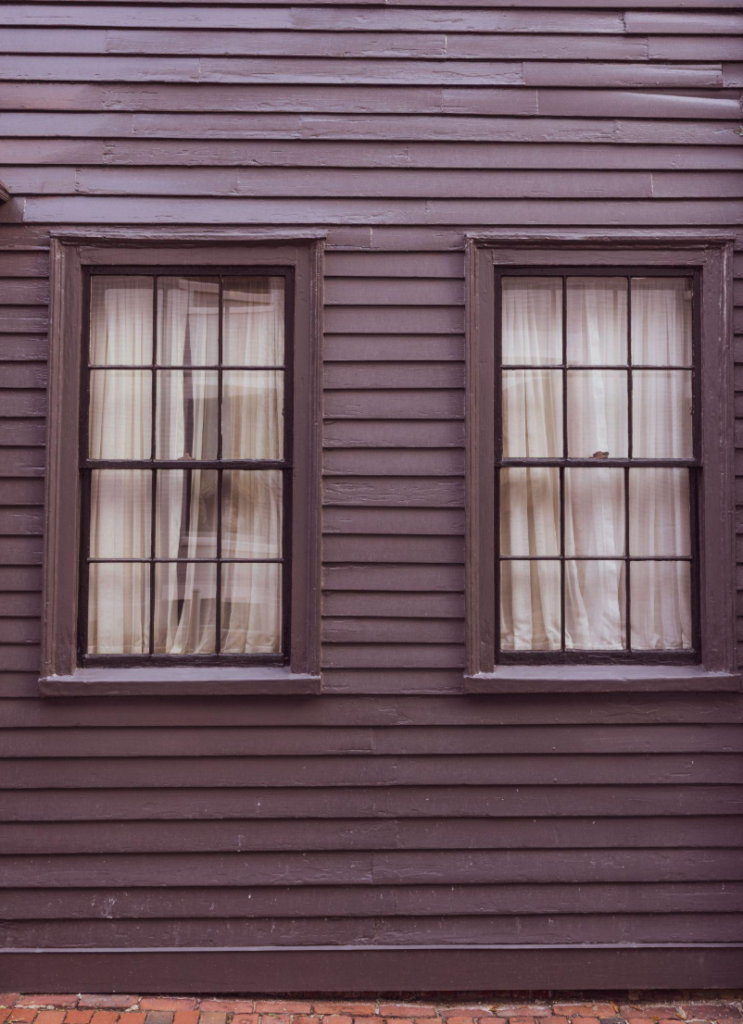
You Feel Drafts Around the Window
Temperature changes aren’t always drastic at first. Sometimes, you only feel it right next to your windows. If you find significantly colder (in winter) or warmer (in summer) air near your windows, it can be a sign of air leakage.
If you’re concerned about your energy bills, you can perform a quick and simple test just by carefully feeling around the window frame. This test is especially easy to perform on a windy day since there will be lots of forceful airflow. If you find a draft, don’t automatically blame the windows. Be sure to check your home’s exterior for any other potential causes, like damaged siding.
Your Rooms Feel Uncomfortable Near the Windows
If your rooms are noticeably colder in the winter or hotter in the summer–beyond the normal mild temperature fluctuations you can expect between seasons–then you may have a problem.
Exterior window surfaces naturally come into contact with lots of light and air. But a well-functioning window can properly absorb and reflect those natural elements. Old or inefficient windows, on the other hand, will let the elements into your home and cause discomfort.
You See Condensation or Fog Between the Glass
Condensation on your windows can be completely normal. When humid indoor air comes in contact with cold glass, it can leave a fog. Normal condensation is easy to wipe away and often shows up in the morning, after outdoor temperatures have cooled significantly overnight.
But if condensation is showing up between your window panes–that is, it’s stuck inside the glass, and you can’t wipe it off–then it’s a sign that something is wrong with your window’s seal. A broken seal is one of the most common defects in an older window.
Your Energy Bills Keep Climbing
If your energy bills keep rising and you can’t find any other explanation, it’s time to take a look at your windows. Compare your bills month-to-month, looking for any long-term patterns. Of course, some months will naturally demand a little more energy use than others. An uptick in heating costs after a freezing cold February is one thing, but if there are big, consistent changes with no obvious cause, something might be up.
Your Windows Are Difficult to Open, Close, or Lock
Windows should be easy to use. If you’re struggling to open, close, or lock your windows, it indicates a problem with structural integrity. Deterioration and damage often impact the opening, closing, and locking mechanisms of your window. The following things can be signs of a problem:
- Sticking
- Locks failing to latch or unlatch
- Window misaligned from the frame
- Clicking, cracking, or popping sounds when raising or lowering the window
You Have Visible Deterioration
Sometimes, the signs of window damage are obvious. Check around both the inside and outside of your home. Look for signs of:
- Rot
- Cracked frames
- Peeling or deteriorating materials
- Damaged weatherstripping
- Gaps
Significant damage to the integrity of the window structure–like rotting, crumbling frames or peeled-off weatherstripping–indicates that your windows need total replacement rather than repair.
Your Windows Are Just Getting Old
Age alone doesn’t mean your windows are failing. But if it has been a while since you replaced or repaired your windows, then they deserve a closer look. This is especially true because older windows lack the energy-efficient technologies (like low-emissivity coating) used in modern windows.
There is no need to replace your windows just because of their age. But age is absolutely a reason to inspect your windows and make sure they’re still functioning properly.
A Simple DIY Window Efficiency Check
You can do a quick inspection of your windows by following these steps:
- Look: Check for cracks in the glass, cracked or rotting frames, gaps around the frame or in the weatherstripping, or failing seals.
- Feel: On a windy day, stand near closed windows to check for drafts.
- Listen: If excessive noise is leaking in from outside, you may have an issue with your window sealing.
- Watch: Pay attention to condensation or fogging, especially if the condensation looks “stuck” within the glass and you can’t wipe it away.
- Compare: Compare your energy bills month-to-month over multiple seasons.
- Operate: Open, close, and lock each window to identify any problems with window function.
This is just a simple, starting inspection–not a professional audit. So, it’s always wise to hire a professional inspector to perform diagnostic tests.
When to Repair and When to Replace
If there’s a problem with one or more of your windows, do you absolutely have to replace it? Sometimes, yes–but other times, repairs make more sense.
Repairs may make sense when:
- The problem is limited to weatherstripping (which can be replaced without changing out the whole window)
- Hardware can be fixed with minor adjustments (such as tightening or replacing an individual lock)
- The window frame and glass panes are otherwise in good condition
Replacement may be the best choice when:
- Multiple windows have persistent drafts
- Glass seals have failed
- Frames have significantly deteriorated
- Windows are difficult to operate
- Repair costs are accumulating across multiple windows
If replacement is the right choice, the next question is: what type of window makes sense for the home?
Why Homeowners Consider Vinyl Replacement Windows
Vinyl windows are a more modern option, with updated technology that improves window performance across the board. They are made with durable PVC frames that promote long-term structural integrity and ease of operation. They can be configured with insulated glass and other energy-efficient features, such as low-emissivity coating: an ultra-thin layer applied to the glass panes that reflects infrared and ultraviolet rays to keep your home comfortable. Plus, vinyl windows come in all kinds of styles and colors.
Vinyl windows have many benefits for homeowners:
- Energy efficiency: Insulated glass, low-emissivity coatings, multiple panes, and other features can reduce heat transfer.
- Low maintenance: Quality vinyl does not require routine painting or staining like wood frames.
- Weather resistance: Properly installed vinyl windows offer highly reliable protection from outdoor conditions.
- Comfort: Better-performing modern windows help reduce drafts and temperature differences near windows.
- Appearance: Replacement windows are available in multiple designs and configurations to complement any home style.
Why Local Expertise Matters When Replacing Windows
A locally owned store isn’t just a product supplier–they’re a resource and an ally as you update your home. As the Upper Peninsula’s independently owned building supply store, Astro UP knows local homes and local conditions inside and out.
We’re here to help you find the windows that conform to your home style, stand up to unpredictable UP weather, and are easy to install. We can provide guidance as you search for the right products, like world-class Alliance Vinyl Windows. We also know our community well, and we can point you in the right direction as you search for contractors and installers for your next home project.
How Much Money Can New Windows Save?
Savings vary significantly based on a number of factors. While vinyl windows consistently lower energy costs for homeowners, it’s also important to consider:
- Local climate
- Window sizes
- HVAC efficiency
- Home insulation
- Home age
- Replacement window specifications
Beyond energy savings, consider additional benefits of modern vinyl windows, including improved comfort, reduced maintenance, and ease of operation. Window replacement isn’t a one-size-fits-all investment, but for the most part, modernized windows can save you money in the long run.
Frequently Asked Questions: Window Replacement
Can old windows really increase energy bills?
Yes, old windows can increase your energy bills through heat transfer, air leakage, and other defects. However, they are not the only possible cause, so be sure to investigate other possible causes such as damaged siding or HVAC issues.
How do I know if my windows need to be replaced?
Drafts, condensation between panes, unexplained energy costs, difficulty operating windows, visible structural deterioration, and advanced age are all potential warning signs that your windows need to be replaced.
Are vinyl windows energy efficient?
Modern vinyl windows are highly energy efficient, especially when installed correctly. Be sure to invest in a trusted brand of vinyl windows and an experienced installer.
How long do vinyl replacement windows last?
Longevity depends on window quality, installation, weather exposure, maintenance, and other factors, but in general, vinyl windows can last 20-40 years.
Should I replace all my windows at once?
It depends. Replacing all your windows at once can get a big project out of the way, but evaluate your priorities first. Consider your budget, comfort, and project goals, as well as the condition of your windows.
Find Your New Vinyl Windows at Astro UP in Rock, MI
Signs you may need to replace your windows include: drafts, condensation between panes, unexplained energy costs, difficulty operating windows, visible structural deterioration, and advanced age. Old windows do not automatically need replacement, but persistent drafts, poor seals, and major structural issues are all reasons to investigate. Vinyl windows are the ideal replacement option for homeowners looking for improved efficiency, comfort, and appearance.
Ready to see whether replacement windows make sense for your home? Speak with the experienced team at Astro UP in Rock, MI about your vinyl window options, and let us help you find the perfect fit for your project.