- What Is an Interior Door?
- What Is an Exterior Door?
- Interior vs. Exterior Doors: A Side-by-Side Comparison
- Can You Use an Interior Door as an Exterior Door?
- Door Materials Comparison
- Exterior Doors: Energy Efficiency Considerations
- Interior Doors: Slab vs. Prehung
- Cost Differences: What To Expect
- When to Replace Each Type
- How to Choose the Right Door for Your Home: A Buyer’s Checklist
- Final Thoughts: Finding the Right Doors for Your Upper Peninsula Home
The main difference between exterior and interior doors is obvious–one goes on the inside of your house, and the other goes on the outside. But there are many subtler differences between the two, and it’s important for homeowners to be aware of them. Interior and exterior doors differ in their construction, materials, insulation capabilities, security features, and cost. In this blog, we’ll do a deep dive into all of these elements. We’ll also give you a comparison chart and some smart buying tips, to make your purchasing decision as easy as possible.
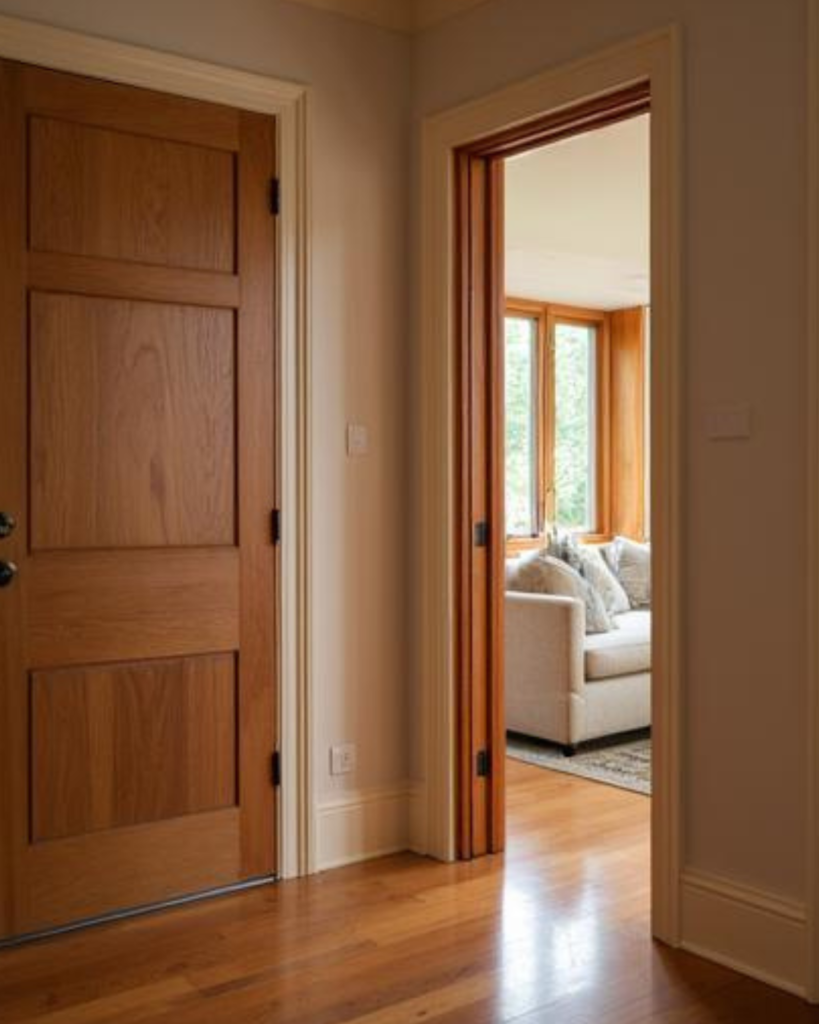
What Is an Interior Door?
Interior doors are used inside the home to separate rooms, closets, and bathrooms. They give you privacy, help reduce noise, improve the aesthetics of your home, and hide those messy rooms away from prying eyes.
Common features of interior doors include:
- Lightweight construction. For ease of installation, many interior doors are designed to be lightweight, regardless of whether they have hollow core or solid core construction.
- Hollow core or solid core. Interior doors have two main design types. A hollow core door contains a honeycomb-shaped interior, usually made from a lightweight material such as cardboard. A solid core door is filled entirely with wood or an engineered wood composite.
- Thinner. Standard interior doors are 1 ⅜” thick. They don’t need to be as thick as exterior doors, since they don’t need to protect against the elements.
What Is an Exterior Door?
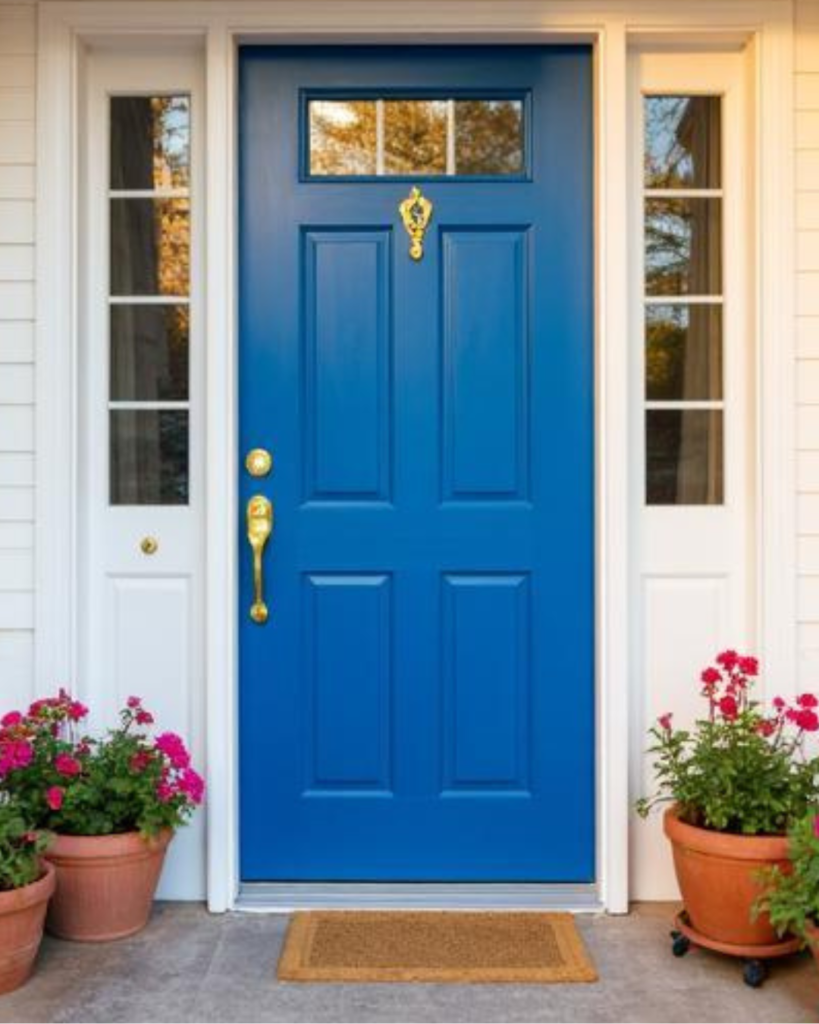
Exterior doors separate your home’s interior from the outdoors. Examples include your main entry doors, back doors, and entry doors through your garage (the garage doors themselves are a different story).
Common features of exterior doors include:
- Thicker. Standard exterior doors are typically 1 ¾” thick. Exterior doors are thicker because they need to protect against the elements and provide home security.
- Weatherstripping. Weatherstripping helps seal your house even better by filling tiny gaps between the door and the frame. Common weatherstripping materials include rubber and specialty foam.
- Insulated core. Exterior doors need special cores to help protect against heat loss. Insulation reduces the flow of air through the door, keeping the cold out and the heat in.
- Reinforced lock area. Exterior doors feature stronger locking and security mechanisms, possibly including deadbolts, strike plates or reinforced, anti-corrosive steel around the locks themselves.
Interior vs. Exterior Doors: Side-by-Side Comparison
| Feature | Interior Door | Exterior Door |
| Thickness | 1 ⅜” | 1 ¾” |
| Core Type | Hollow or solid | Solid and insulated |
| Weather Resistance | None | Yes |
| Security | Basic latch | Enhanced security measures |
| Cost | Lower | Higher |
| Weight | Lightweight | Heavy |
Can You Use an Interior Door as an Exterior Door?
The short answer: no. Interior doors and exterior doors are designed to do completely different things. If you use an interior door as an exterior door, you’re putting your home at risk. Because interior doors don’t have insulation like exterior doors, they won’t be able to keep cold air or other bad weather from impacting your home. Interior doors are also much more susceptible to moisture, which will lead to warping and rotting over time. Finally, and perhaps most importantly, using an interior door for the exterior of your home risks your safety. Interior doors do not have the locking and security features that exterior doors provide.
Door Materials Comparison
Wood
Wood is used for both interior and exterior doors; however, exterior wood doors are solid core. Interior doors may be hollow core or solid core. Exterior wood doors also need additional sealing and maintenance, since untreated wood is susceptible to rot and warping.
Steel
Steel is used only for exterior doors. It’s low-maintenance and long-lasting. It’s also incredibly sturdy, making it an optimal choice if security is your main concern. Steel is often more expensive up front, but lower repair and maintenance costs can save you plenty of money down the road.
Fiberglass
Fiberglass is another great option for your doors. While it’s mostly used for exterior doors, it can be used for interior doors, particularly in high-humidity areas–like bathrooms. Like steel doors, fiberglass doors are low maintenance, and highly resistant to dents and scratches.
Glass
Glass doors can be used for either interior or exterior doors. But if it’s being used for an exterior door, it needs some extra features. Exterior glass doors must be tempered and insulated to help protect your home from the elements.
Exterior Doors: Energy Efficiency Considerations
When choosing exterior doors, it’s important to think about energy efficiency. Exterior doors already have insulated cores to help stop heat transfer and reduce drafts. However, before you commit to an exterior door, be sure to consider its weatherstripping. Weatherstripping helps prevent heat and air leakage, guards against moisture, and keeps pests out. Not all weatherstripping is created equal, so if you’re unsure what to look for, consult one of the experts at your local building supply store to help you out.
Interior Doors: Slab vs. Prehung
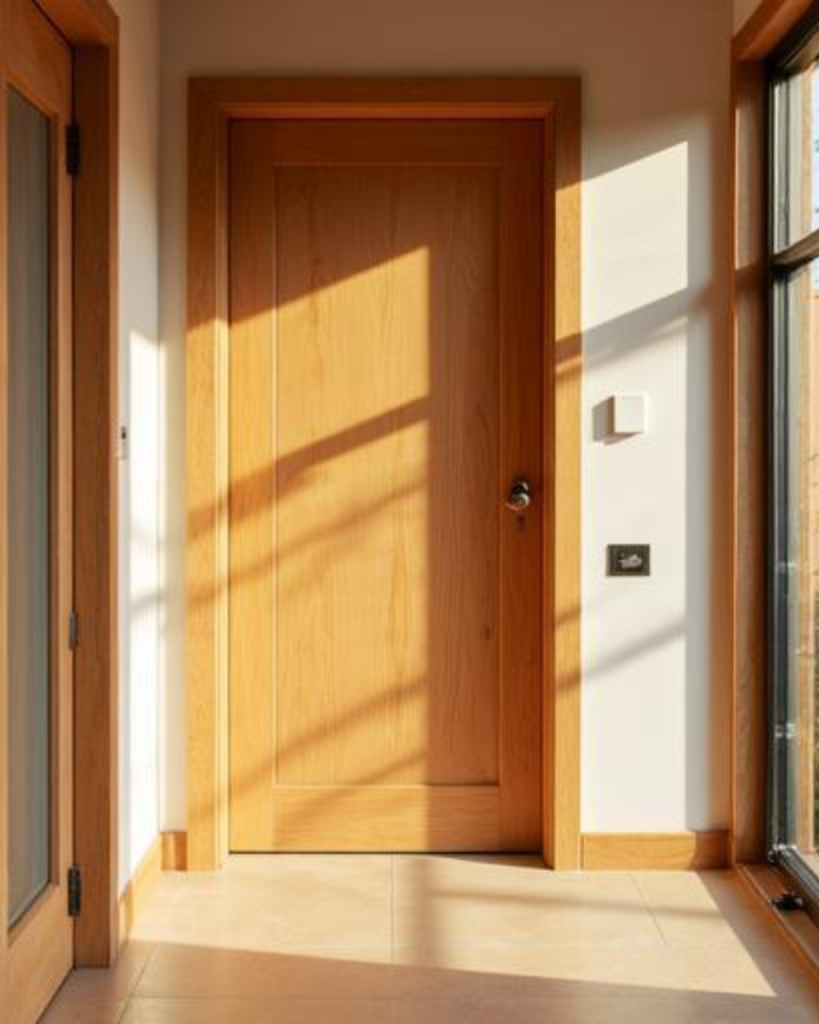
Interior doors come as either slab or prehung doors. Prehung doors include the door jamb (the part of the door that attaches to the hinges) and the door frame. Slab doors only include the door itself.
Choose a slab door if you only need to replace a door–not the frame. Slab doors are also a good option if you’re on a tighter budget, or if you’re able and willing to install the remaining hardware yourself.
Choose a prehung door if you need to replace both the door and the door frame. A prehung door is also a great option if you value ease of installation, and if you have a higher budget to work with.
Cost Differences: What to Expect
Interior Doors – Typical Price Range
- Hollow-core slab doors: $100-$250
The most budget-friendly option
Lightweight and easy to install
Less effective soundproofing
Good for closets and low-traffic rooms - Solid-core slab doors: $250-$500
Denser and sturdier
Better for sound control (making them ideal for bathrooms and bedrooms) - Decorative or specialty doors: $500-$700
Including glass-insert doors, barn doors, and designer styles
Adds aesthetic value - Installation: Varies
Many people choose DIY
If you’re unsure, professional installation ranges from $100-$300+
Exterior Doors – Typical Price Range
- Steel doors: $500-$1,500
Very secure
Standard choice for entry doors - Fiberglass doors: $800-$2,000
Durable
Low-maintenance
Good insulation - Wood doors: $900-$2,500+
Classic look
Higher maintenance - Glass and decorative doors: $1,200-$3,000+
Adds aesthetic value - Hardware upgrades
Deadbolt lock: $50-$200
Smart lock: $150-$400+
High-security locksets: $200-$600+
Weatherstripping: $20-$150+ - Installation
Professional installation can run $300-$1,000+
Cost depends on complexity, removal of the old door, and condition of the frame
DIY is not recommended, since exterior doors often require precise leveling, sealing, and trim work. Go with the pros.
When to Replace Each Type
Because interior and exterior doors are made for different purposes and with different materials, they also show different signs of wear and tear. Here is what to look out for to determine when to replace your doors.
Reasons to replace interior doors:
- Warping, cracks, or rot
- Locking, latching, or hinge issues that can’t be repaired
- Sound insulation issues
- Outdated style
Reasons to replace exterior doors:
- Rot or rust
- Failing weather seals
- Drafts
- Lock and/or security mechanism failures
How to Choose the Right Door for Your Home: A Buyer’s Checklist
Where is it going?
- Inside the home → Interior door
- Outside the home → Exterior door
Does it need weather protection?
- Exposed to rain, sun, drafts? → Exterior door
- No exposure? → Interior door
How much security do you need?
- Privacy only → Interior door
- Enhanced security → Exterior door
What material works best?
- Interior options:
Hollow core (budget)
Solid core (quieter)
Glass panel (decorative)
- Exterior options:
Steel (secure)
Fiberglass (low maintenance)
Solid wood (classic look)
Don’t forget the basics?
- Measure width and height
- Check door thickness
- Choose left- or right-hand swing
- Choose slab or pre-hung
Final Thoughts: Finding the Right Doors for Your Upper Peninsula Home
We hope this blog showed you that not all doors are created equal! When determining what type of door you need, it’s vital to consider what your home needs. Door type, materials, and potential accessories can all impact the effectiveness (and cost) of your door. So, as with all home improvement projects, plan ahead–and consult the professionals.
Need help choosing the right door? There’s no need to go it alone! Come visit the experts at Astro UP in Rock, MI to find the right doors for your Upper Peninsula home. Our pros will walk you through the process: determining your needs, choosing the right materials, and working within your budget.